
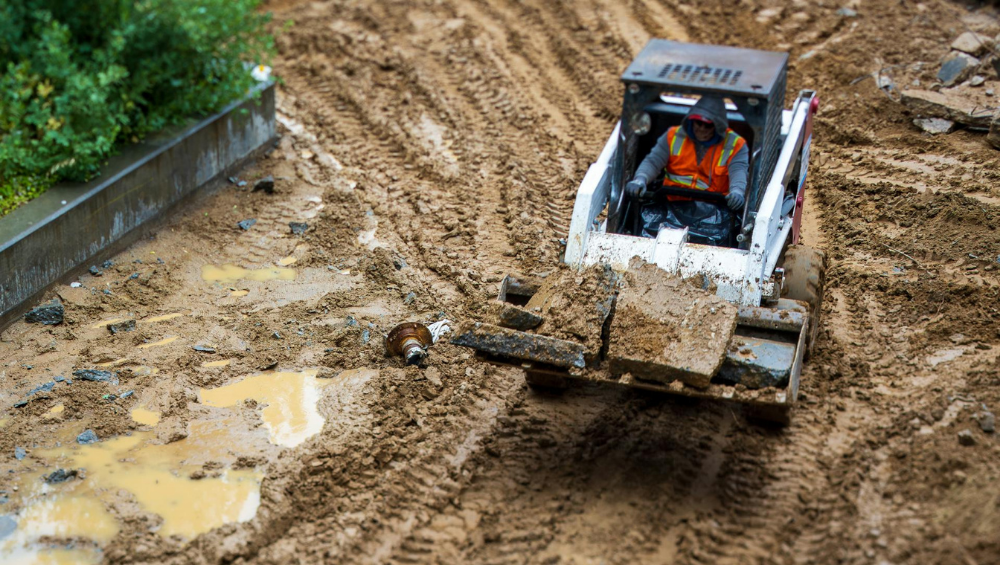
Construction sites generate sediment-heavy runoff as soon as you’ve broken ground. Even if permanent drainage systems are planned, runoff will begin before they’re fully operational. All that exposed soil, grading work, and equipment traffic creates loose sediment that will flow toward storm drains at the first sign of rain.
Inlet protection bags — probably the most common solution — intercept that material before it enters stormwater systems.
They work well in many conditions, too. And yet, high-sediment environments can introduce variables that need closer evaluation. Specifiers and engineers must consider whether sediment control bags alone provide sufficient filtration, flow capacity, and durability for the specific conditions present on a site.
Make sure your temporary stormwater controls are getting the job done with a quick dive into their strengths and weaknesses.
What Inlet Protection Bags Do Well
Inlet protection bags filter sediment from the water flowing into the inlet, right below the grate. A geotextile bag sits beneath the storm drain opening and captures loose materials as runoff passes through. Water flows freely through the fabric while soil particles settle inside the bag. This design offers a few advantages:
- Quick installation: Crews can place the system directly beneath the grate with minimal setup time.
- Contained sediment capture: Soil accumulates inside the bag rather than spreading across surrounding pavement.
- Maintained drainage flow: Water continues moving into the storm system while sediment remains trapped.
- Compatibility with standard inlets: The design fits most common drop inlet configurations.
A ton of sites will choose these systems as part of broader stormwater inlet protection strategies during grading or paving work (or just general site development). On the whole, inlet protection bags are an efficient solution for moderate sediment loads and routine maintenance schedules.
Certain High-Sediment Sites May Need Additional Measures
High-sediment environments introduce conditions that can stress any filtration system. Sites with aggressive grading, steep slopes, or large exposed soil areas may generate exceptionally heavy runoff that carries thick mud and dense sediment loads during storms.
Specifiers will usually evaluate for these sorts of factors before they select sediment control bags or similar filtration systems.
Sediment Load
Sediment volume determines how quickly a bag fills. Sites with large disturbed areas may produce runoff that carries heavy concentrations of soil and debris.
Once a bag fills beyond its capacity, two issues can occur:
- Reduced filtration efficiency
- Restricted flow through the inlet
Regular maintenance (emptying sediment out of the bag) can address this problem for most scenarios. Even on high-sediment sites, a faster inspection schedule, where your crew removes accumulated sediment more often, will maintain flow capacity and filtration performance. The higher the sediment load in the runoff, the more frequent inspection and cleaning your site will need.
Flow Volume
Storm intensity and drainage patterns also influence inlet protection performance, because more water may flow to a given inlet over a shorter period of time. Large catchment areas or steep slopes may also direct significant flow toward storm drains.
High flow rates can:
- Force sediment through filtration fabric
- Stress seams and attachment points
- Reduce overall filtration performance
To deal with these conditions, you may need to use additional temporary erosion control measures upstream to reduce sediment before water reaches the inlet.
Downstream Risk
Stormwater systems are often directly connected to municipal infrastructure or environmentally sensitive areas. Any sediment release triggers regulatory concerns. A failed inspection can require cleanup and payment of a fine.
Specifiers must weigh this downstream risk to decide whether a single inlet protection method provides enough protection for the expected site conditions.
A Quick Comparison of Temporary Inlet Protection Styles
Specifiers evaluate a variety of temporary erosion control measures before they select an inlet protection system (or a combination of measures). Each approach works best under certain site conditions.
| Approach | Typical Strengths | Things to Look Out For | Example Product Options |
| Inlet protection bags | Strong sediment capture, below-grate containment, easy installation | Requires maintenance if sediment accumulates quickly | Dandy Bag® |
| Surface filter fabric barriers | Simple setup across large inlet areas | Make sure your choice does not restrict flow during heavy storms | Dandy Inlet Guard™ |
| Curb inlet filters | Designed for curb openings and directional flow | Performance depends on flow direction and debris load | Dandy Curb® |
| Perimeter sediment barriers | Reduces sediment before runoff reaches the inlet | Requires space and additional installation effort (to fill the barrier) | Dandy Recycler™ |
Where Inlet Protection Bags Fit in a Sediment Control Strategy
There is no single silver bullet in every scenario, but there are tailored solutions for all scenarios — and inlet protection bags remain among the most preferred types of inlet protection erosion control.
You can further augment their performance by pairing them with other site-level, upstream sediment management measures, like:
- Perimeter sediment barriers
- Stabilized construction entrances
- Slope protection or soil stabilization
- Temporary diversion channels
- Sediment basins
The combination of upstream controls and inlet protection bags (a “layered” strategy) cuts down on the sediment reaching each inlet. This is often better than relying on a single device.
Need more info? Get in touch with an expert!
