
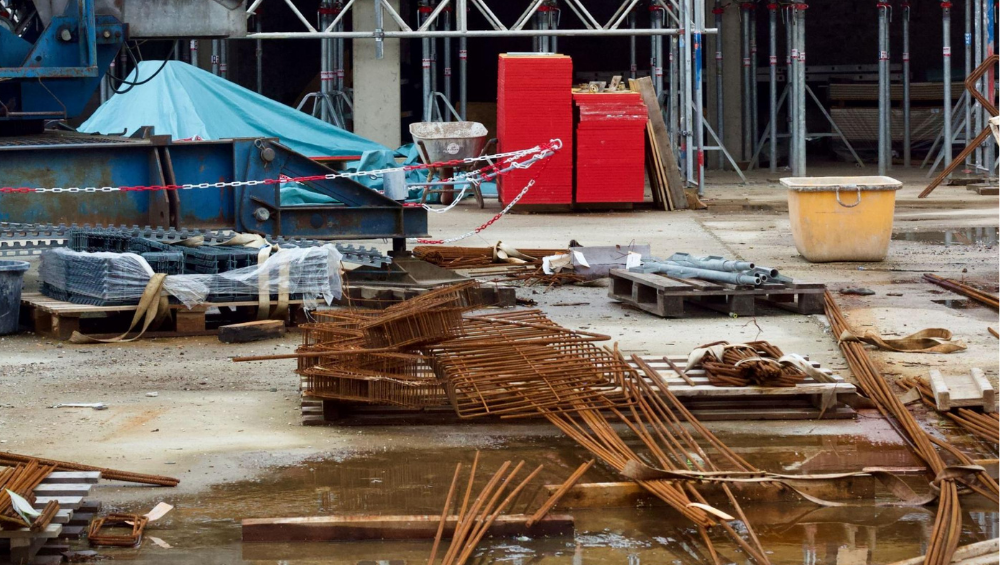
Rainfall and runoff will carry away any loose, exposed material from common construction activities like excavation or grading.
Once that sediment leaves the site, it can cause all kinds of trouble. Soil clogs storm drains and damages downstream waterways. If you haven’t taken measures to prevent these impacts, a site inspection will flag a compliance issue — and costly cleanup work.
Sediment control measures require PM attention from the first day of construction through final stabilization. It isn’t a one-time installation task, either. Inlet protection devices need regular inspection and maintenance to keep them working properly as site conditions change.
Project managers avoid problems with a little up front preparation. Here are a few of the basics of construction site sediment control to get you started.
Sediment Sources: Where Does It Come From?
All sediment carried away by runoff started as exposed soil. Construction activities frequently disturb solid ground. Any time you remove vegetation or disturb existing grades, you’ve created areas where rainfall can easily pick up loose particles. Even relatively small storms can move surprising amounts of material in a short time.
Plan ahead if you anticipate any common sediment sources like these:
- Excavation and trenching areas
- Graded slopes
- Soil stockpiles
- Unpaved access roads
- Utility installation work
- Areas awaiting final stabilization
The more exposed soil a project has, the more you’ll need to take care with construction site sediment control.
Identify Transport Pathways For Sediment
Water follows the path of least resistance, carrying soil downhill toward low spots, including drainage channels and storm drains. Along the way, runoff can pick up additional sediment and increase in volume.
Examine these transport pathways during sediment erosion control planning. Before storms arrive, project teams must identify everywhere water is likely to flow and where sediment is most likely to accumulate. The EPA’s storm drain inlet protection guidance states that inlet protection should also be installed “prior to site disturbance,” meaning before any soil disrupting activities begin
This is an evolving plan, too, because sites change constantly during construction. Temporary roads and utility work might alter runoff patterns, so your sediment control plan is likely to need some adjustment as work progresses.
Sediment Bypass Is a Compliance & Environmental Issue
A buildup of sediment in a storm system reduces drainage capacity and can even clog infrastructure. If it reaches nearby waterways, it will also impact water quality and aquatic habitats.
There are also project-level consequences. A lack of appropriate sediment erosion control measures is a regulatory compliance issue. When excessive sediment leaves the site or bypasses improperly fitted control measures into storm drains, you’re risking failed inspections and corrective actions or fines. This can also lead to project delays and additional cleanup expenses.
These problems are easier to prevent than to fix. Many sediment compliance issues trace back to a few avoidable mistakes, like waiting until rain is in the forecast before installing controls or neglecting device maintenance (emptying sediment repositories) between rain events.
This is why sediment control maintenance matters just as much as initial installation. Controls should be inspected regularly and after storm events to verify they are functioning as intended.
Sediment Control Takes More Than One Device
There are multiple layers to a successful sediment management plan. No single product solves every problem. Effective controls combine perimeter controls, stabilized entrances, sediment traps, slope protection measures, and storm drain inlet protection devices.
Think of inlet protection devices as the last line of defense rather than the only line of defense — inlet filters always work best when paired with broader site controls. Sediment bags alone can become overwhelmed by high runoff conditions. Industry analysis by the IECA (International Erosion Control Association) has also shown that the success of your inlet protection measures will be dependent on a combination of proper product selection, installation, and maintenance.
Get Started With Dandy Products
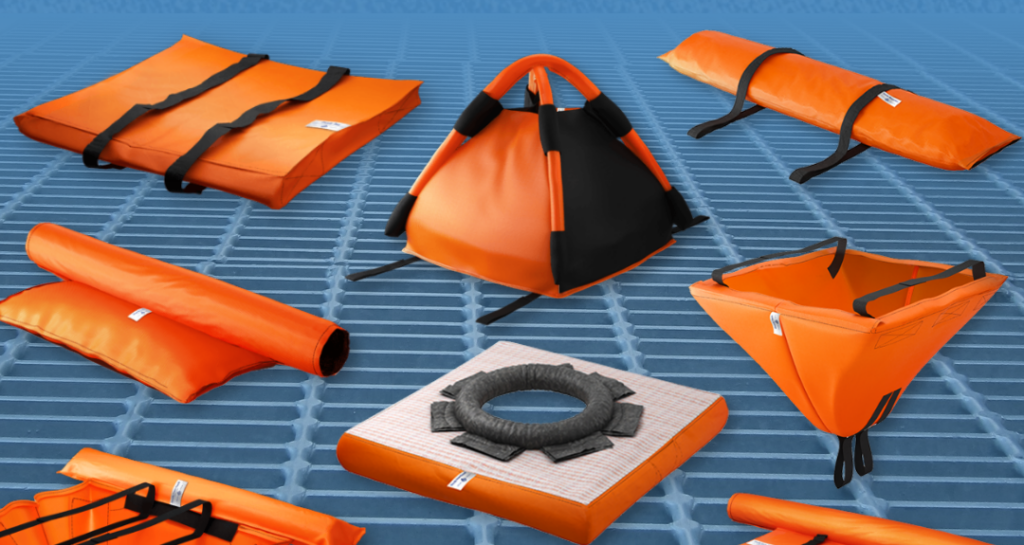
Dandy Products helps contractors assemble that final line of defense with durable geosynthetic inlet protection devices. Explore all of our Dandy Products to stay on top of sediment control and stormwater compliance in construction. We’ve worked with contractors for decades to advise on appropriate measures and provide targeted solutions for the size, shape, and style of your inlets.
FAQs About Construction Site Sediment Control
Sediment control refers to the practices and devices used to prevent soil from leaving a construction site during rain events or runoff. The goal is to keep sediment out of storm drains, waterways, and surrounding properties while maintaining regulatory compliance.
Uncontrolled sediment can clog stormwater infrastructure, reduce drainage capacity, damage nearby waterways, and trigger compliance violations. Effective sediment control helps protect the environment while reducing the risk of project delays, fines, and costly cleanup work.
Sediment control measures should be installed before any soil-disturbing activity begins. Waiting until rain is in the forecast often leaves sites vulnerable to runoff and erosion before controls are fully in place.
Excavation areas, utility trenches, stockpiles, graded slopes, unpaved roads, and areas awaiting final stabilization are among the most common sediment sources. Any exposed soil has the potential to become runoff-borne sediment during a storm event.
Inlet protection devices should be inspected regularly and after significant rain events. Sediment accumulation, damage, clogging, or displacement can reduce performance and increase the risk of sediment bypass.
No. Inlet protection is only one component of a larger sediment management strategy. Effective plans often combine inlet protection with perimeter controls, sediment traps, stabilized entrances, slope protection, and other site-specific measures.
Common mistakes include installing controls too late, failing to inspect devices after storms, allowing sediment repositories to overfill, and relying on a single control measure to manage all runoff conditions. Regular maintenance is just as important as initial installation.
The best inlet protection solution depends on the type of inlet, expected runoff volume, sediment load, and site conditions. Products that fit properly, are installed correctly, and can be maintained easily generally provide the most reliable performance.
